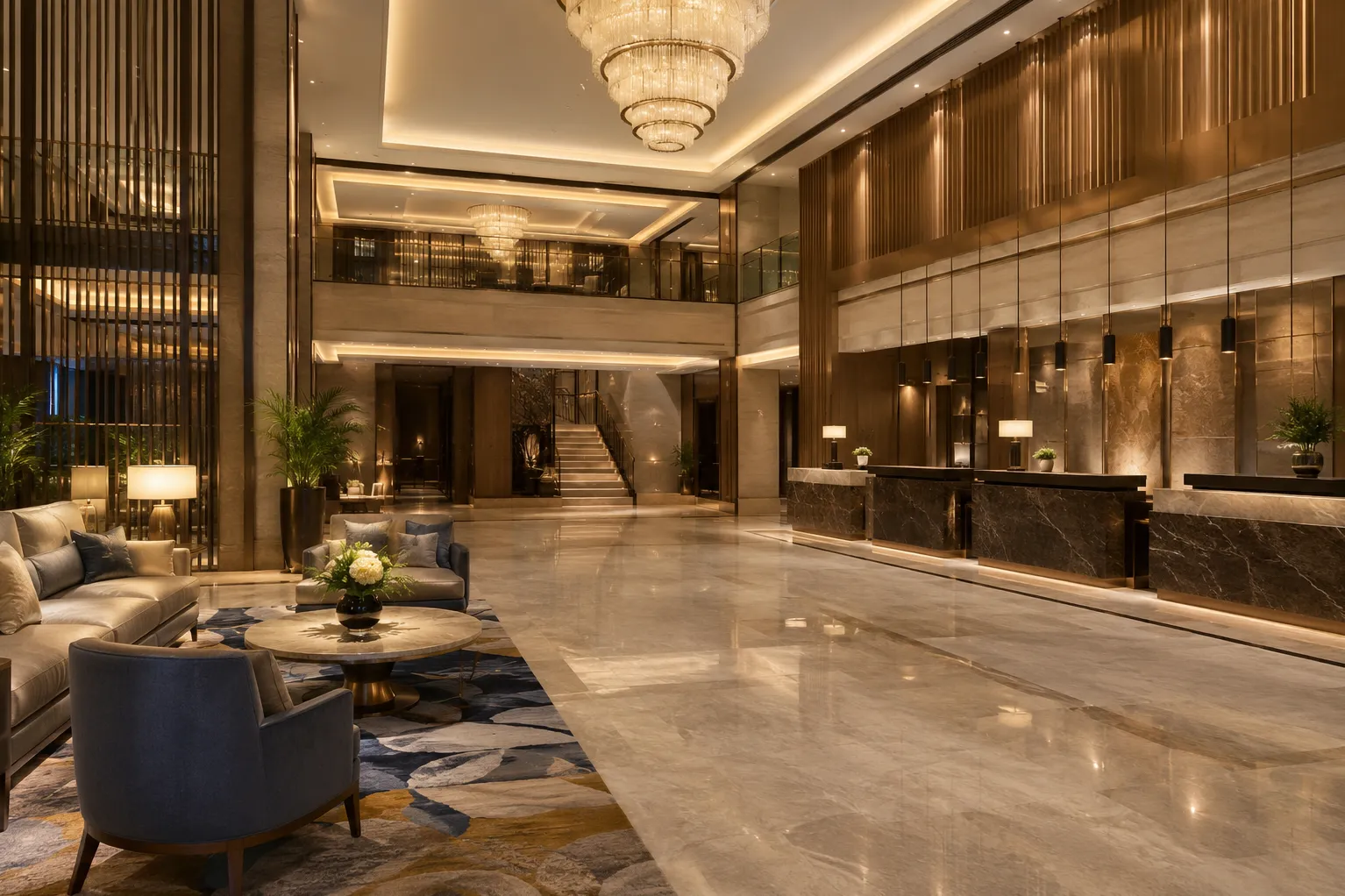
The hospitality industry depends heavily on first impressions. Guests begin forming opinions the moment they enter a hotel, long before they reach their rooms. A thoughtfully designed interior influences comfort, convenience, and overall satisfaction, making professional hotel interior designing services an important investment for hotel owners and developers.
As tourism and business travel continue to grow in Nagpur, hotels are focusing on creating interiors that combine visual appeal with operational efficiency. Good design not only attracts guests but also supports staff productivity, improves maintenance, and enhances long-term profitability.
Why Hotel Interior Design Matters
Hotel interiors are expected to serve multiple purposes simultaneously. They should welcome guests, support smooth operations, and reflect the property's unique identity.
Professional interior design considers:
- Guest comfort
- Space utilization
- Brand consistency
- Durability
- Safety
- Accessibility
- Maintenance efficiency
Balancing these elements helps create a pleasant experience from check-in to check-out.
Designing Spaces That Leave a Lasting Impression
Every area of a hotel has a different purpose and requires specialized planning.
Important spaces include:
- Reception and lobby
- Guest rooms
- Restaurants
- Banquet halls
- Conference rooms
- Corridors
- Waiting lounges
- Outdoor seating areas
Each space should flow naturally into the next while maintaining a consistent design language.
Guest Rooms Should Prioritize Comfort
The guest room is the heart of any hotel. While appearance is important, functionality has an equally significant role.
Well-designed rooms typically include:
- Comfortable furniture
- Smart lighting
- Adequate storage
- Efficient air circulation
- Convenient charging points
- Noise reduction measures
- Easy-to-maintain finishes
Attention to these details contributes to better guest satisfaction and positive reviews.
Lighting Influences the Overall Experience
Lighting shapes the atmosphere throughout the hotel.
A balanced lighting plan combines:
- Ambient lighting for comfort
- Accent lighting for décor
- Task lighting in guest rooms
- Decorative fixtures in public spaces
Natural daylight can also improve the appearance of common areas while reducing energy consumption during daytime hours.
Material Selection Should Focus on Durability
Hotel interiors experience heavy daily use. Choosing durable materials reduces maintenance costs and extends the life of the property.
Frequently used materials include:
- Scratch-resistant flooring
- High-quality laminates
- Moisture-resistant wall finishes
- Commercial-grade upholstery
- Durable countertops
- Easy-to-clean surfaces
Long-lasting materials help maintain a fresh appearance despite continuous occupancy.
Smart Space Planning Improves Operations
Good hotel design benefits both guests and staff.
Efficient layouts help with:
- Faster housekeeping operations
- Better guest movement
- Easier maintenance access
- Improved service delivery
- Reduced congestion during peak hours
Proper circulation planning contributes to smoother day-to-day hotel management.
Sustainability Is Becoming a Competitive Advantage
Many modern hotels are incorporating environmentally responsible design features.
Examples include:
- LED lighting
- Energy-efficient air conditioning
- Water-saving fixtures
- Solar-ready infrastructure
- Recycled materials
- Indoor greenery
These initiatives reduce operating expenses while appealing to environmentally conscious travelers.
Common Interior Design Mistakes to Avoid
Hotel projects often face challenges when planning is overlooked.
Avoid these mistakes:
- Inconsistent design themes
- Poor lighting distribution
- Insufficient storage
- Difficult maintenance materials
- Inefficient guest circulation
- Ignoring accessibility requirements
Professional planning minimizes these issues before execution begins.
Choosing the Right Design and Construction Team
Hotel projects involve close coordination between architects, interior designers, engineers, and construction professionals.
Before selecting a service provider, evaluate:
- Hospitality project experience
- Technical expertise
- Design portfolio
- Material knowledge
- Timeline management
- Construction coordination
Many developers prefer integrated companies capable of managing both design and construction. Empower Infra follows this comprehensive approach, helping hospitality projects move smoothly from concept development to final execution.
Final Thoughts
Hotel interiors influence guest satisfaction, operational efficiency, and the overall success of a hospitality business. A carefully planned design creates welcoming spaces while supporting practical day-to-day operations.
For hotel owners and developers in Nagpur, investing in professional hotel interior designing services helps create attractive, durable, and guest-friendly environments that remain competitive in the evolving hospitality industry.
Keywords