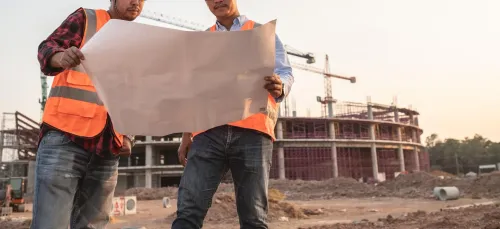



A construction project can involve excavation teams, masons, concrete workers, electricians, plumbers, fabricators, material suppliers and several other specialists. When these activities are not properly coordinated, even a relatively straightforward project can experience delays, rework and unnecessary costs. This is where Civil Contractor Services become important.
For property owners planning construction in Nagpur, Maharashtra, understanding the contractor’s role can make it easier to prepare for a project and evaluate how work will progress on site.
What Civil Contractor Services Typically Include
A civil contractor generally manages the practical execution of construction work according to approved drawings, specifications and the agreed scope. Depending on the project, responsibilities may include:
- Site preparation and excavation
- Foundation work
- RCC structural work
- Brickwork and masonry
- Plastering
- Flooring coordination
- Waterproofing
- Material and labour management
- Site supervision
- Coordination with specialist trades
- Quality checks at different stages
The exact scope should always be documented before construction begins.
What Happens Before Work Starts
Good preparation can prevent many site-level problems. Before execution, drawings should be reviewed, site conditions assessed and the construction scope clarified.
The contractor may also need to understand access conditions, material storage requirements, working space and the sequence in which different activities will occur.
In Nagpur, seasonal conditions should also be considered when scheduling excavation, concrete work, waterproofing and exterior activities. Planning construction without considering Maharashtra's monsoon period can create avoidable scheduling difficulties.
How the Construction Process Progresses
Civil construction normally follows a sequence rather than multiple unrelated activities happening simultaneously.
After site preparation, foundation work establishes the base of the structure. Structural elements such as columns, beams and slabs follow according to engineering drawings. Masonry creates internal and external walls, while later stages introduce services, plastering, flooring and finishes.
Quality checks between these stages are important because problems hidden beneath subsequent work can become expensive to correct later.
Empower Infra approaches construction projects with coordination between planning and execution so that decisions made on drawings can be translated practically on site.
How Long Does Civil Construction Take
There is no reliable universal timeline.
Project duration depends on factors such as:
- Built-up area
- Number of floors
- Structural complexity
- Site accessibility
- Labour availability
- Material selection
- Approval status
- Design changes
- Weather conditions
- Finishing requirements
A smaller residential project may naturally require less time than a multi-storey commercial structure. Instead of relying on an informal completion promise, owners should ask for a stage-based project schedule.
Benefits and Risks to Understand
Professional coordination can improve scheduling, accountability, material planning and consistency across different trades. It can also make progress easier for owners to monitor.
However, construction always carries potential risks. Material delays, design revisions, poor workmanship, inaccurate quantity estimates and unexpected site conditions can affect cost and timelines.
Clear documentation and regular site reviews help control these risks.
What Should Be Checked After Completion
Completion does not mean accepting the property without inspection. Owners should review finishes, doors and windows, plumbing fixtures, electrical points, drainage, waterproofing-sensitive areas and other items included in the agreed scope.
Any incomplete work should be recorded in a snag list and addressed before final handover.
Common Questions About Civil Contractor Services
Should drawings be completed before appointing a contractor?
The major architectural and structural requirements should be sufficiently clear before execution begins.
Can construction change after work starts?
Changes are possible, but late modifications may affect quantities, costs and schedules.
Why are site inspections necessary?
They help identify deviations and workmanship issues before subsequent work conceals them.
For anyone planning residential or commercial construction in Nagpur, understanding the responsibilities behind Civil Contractor Services creates a stronger foundation for realistic budgeting, scheduling and project control.