A thoughtfully designed office is more than an attractive workspace. It influences employee productivity, supports collaboration, strengthens brand identity, and creates a welcoming environment for clients and visitors. As businesses continue to evolve, office interior designing services have become an essential investment rather than a luxury.
Organizations across Nagpur are increasingly redesigning offices to improve employee well-being while making better use of available space. Whether creating a new workplace or renovating an existing one, strategic interior planning helps businesses operate more efficiently and leave a lasting professional impression.
Why Office Interior Design Matters
Employees spend a significant portion of their day inside the workplace. Poor layouts, inadequate lighting, uncomfortable furniture, and inefficient workflows can reduce productivity and employee satisfaction.
Professional office interior design focuses on creating spaces that encourage concentration, teamwork, and comfort while reflecting the organization's culture.
An effective office design considers:
- Employee movement
- Space utilization
- Natural lighting
- Storage solutions
- Acoustic comfort
- Visitor experience
- Future expansion
Each element contributes to a workplace that supports daily business activities.
Space Planning Is the Foundation
Before selecting furniture or décor, designers analyze how people use the office.
Questions often include:
- Which departments collaborate frequently?
- How many meeting rooms are required?
- Is hybrid working supported?
- Are private cabins necessary?
- How much storage is needed?
Well-planned layouts reduce unnecessary movement and improve operational efficiency.
Lighting Directly Affects Productivity
Lighting is one of the most overlooked aspects of office design.
Natural daylight improves mood, reduces eye strain, and creates a healthier work environment. Where natural light is limited, layered lighting with task lights and ambient illumination provides balanced visibility.
Modern office designs also use energy-efficient lighting systems that reduce electricity consumption while maintaining workplace comfort.
Furniture Should Support Comfort
Ergonomic furniture helps employees maintain proper posture during long working hours.
Quality office furniture includes:
- Adjustable chairs
- Height-appropriate desks
- Comfortable meeting room seating
- Functional reception furniture
- Modular workstations
Comfortable employees are generally more focused and productive throughout the workday.
Technology Integration Is Essential
Today's workplaces depend heavily on technology.
Office interior designing services often incorporate:
- Hidden cable management
- Smart meeting rooms
- Video conferencing facilities
- Charging stations
- Network infrastructure planning
- Flexible workstation connectivity
Planning these systems during the design phase prevents costly modifications later.
Designing for Collaboration
Many businesses are moving away from completely closed office layouts.
Modern offices often combine:
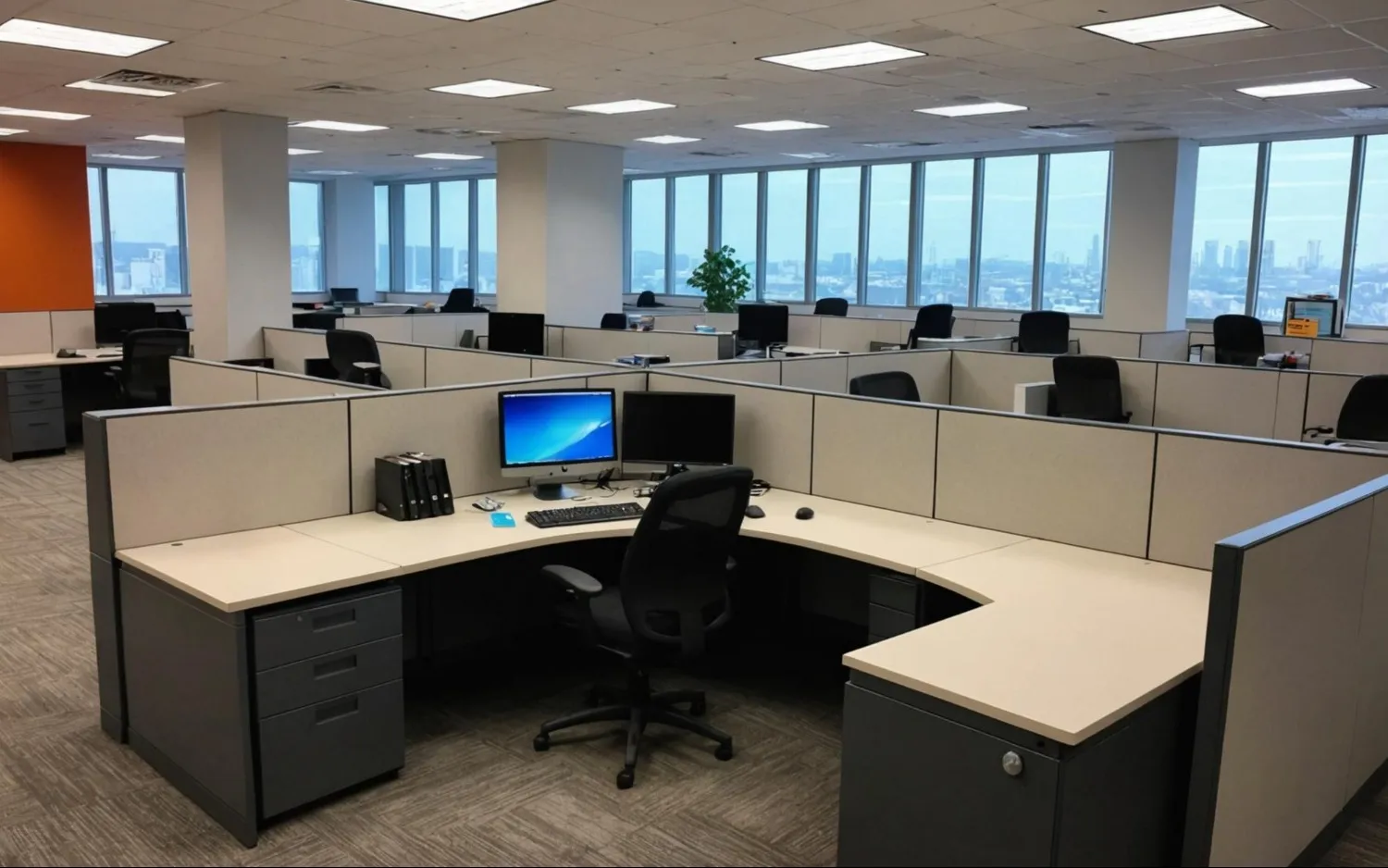
- Open workstations
- Quiet focus zones
- Informal discussion areas
- Conference rooms
- Breakout spaces
- Collaborative meeting pods
This balanced approach allows employees to work according to different task requirements throughout the day.
Brand Identity Through Design
Office interiors communicate a company's values to employees and visitors alike.
Interior designers use elements such as:
- Colour palettes
- Material selection
- Reception design
- Signage
- Lighting
- Artwork
- Spatial planning
These details create a professional environment that aligns with the company's identity without overwhelming the workspace.
Sustainability Is Becoming a Priority
Businesses are increasingly adopting environmentally responsible office designs.
Popular sustainable features include:
- LED lighting
- Low-VOC paints
- Energy-efficient air conditioning
- Recycled materials
- Indoor plants
- Natural ventilation
- Water-saving fixtures
These improvements create healthier workplaces while reducing long-term operating costs.
Common Mistakes to Avoid
When planning office interiors, avoid these common errors:
- Prioritizing appearance over functionality
- Ignoring employee workflow
- Insufficient storage planning
- Poor lighting selection
- Inadequate electrical outlets
- Lack of meeting spaces
- No flexibility for future growth
Professional planning helps prevent expensive redesigns after occupancy.
Selecting the Right Interior Design Partner
Choosing an experienced service provider can significantly influence project success.
Consider:
- Previous commercial projects
- Design capabilities
- Construction coordination
- Budget transparency
- Material quality
- Timeline management
- Client reviews
Some firms, including Empower Infra, offer integrated architectural planning, construction, and office interior solutions, making project coordination simpler from concept to completion.
Final Thoughts
A well-designed office improves productivity, supports employee well-being, strengthens brand image, and creates a functional environment for business growth. Rather than focusing solely on aesthetics, professional office interior designing services combine planning, technology, ergonomics, and operational efficiency into one cohesive workplace strategy.
For organizations establishing or upgrading office spaces in Nagpur, investing in thoughtful office interiors can deliver long-term value through improved employee performance, better client experiences, and more efficient use of commercial space.
Keywords